
Fall is the window to get your backyard ready for winter, and skipping this step makes spring harder than it needs to be. A few focused hours now keep your lawn and garden healthy, your pipes safe, and your tools ready for action. Here’s what matters most, and how to tackle each job with the right approach.
Clear Leaves and Debris Early
Leaves pile up fast in fall, and leaving them on your lawn smothers grass and invites disease come spring. Dry, crisp leaves are much easier to clear than soggy ones, so aim for two or three rounds of cleanup instead of waiting until every tree is bare. If your yard collects leaves from maples or oaks, a lightweight electric blower makes the job less punishing than raking. Blow leaves into manageable piles, then bag or compost them. Getting leaves off hard surfaces like patios and driveways also prevents slippery spots when wet weather hits.
 Check out this product →
Trim and Prune for Healthier Growth
Cutting back perennials and shrubs in fall keeps plants from trapping moisture and harboring pests over winter. Clip dead stems and spent flowers so they don’t rot and spread disease. For smaller branches, bypass pruning shears make quick work without crushing stems. Sharp blades mean clean cuts, which heal faster and give you a head start on spring growth. If you have roses or hydrangeas, trim away weak or damaged canes and discard any diseased material. Fall pruning isn’t about shaping — it’s about removing what won’t survive the cold, so plants bounce back strong.
 Check out this product →
Protect Outdoor Faucets from Freezing
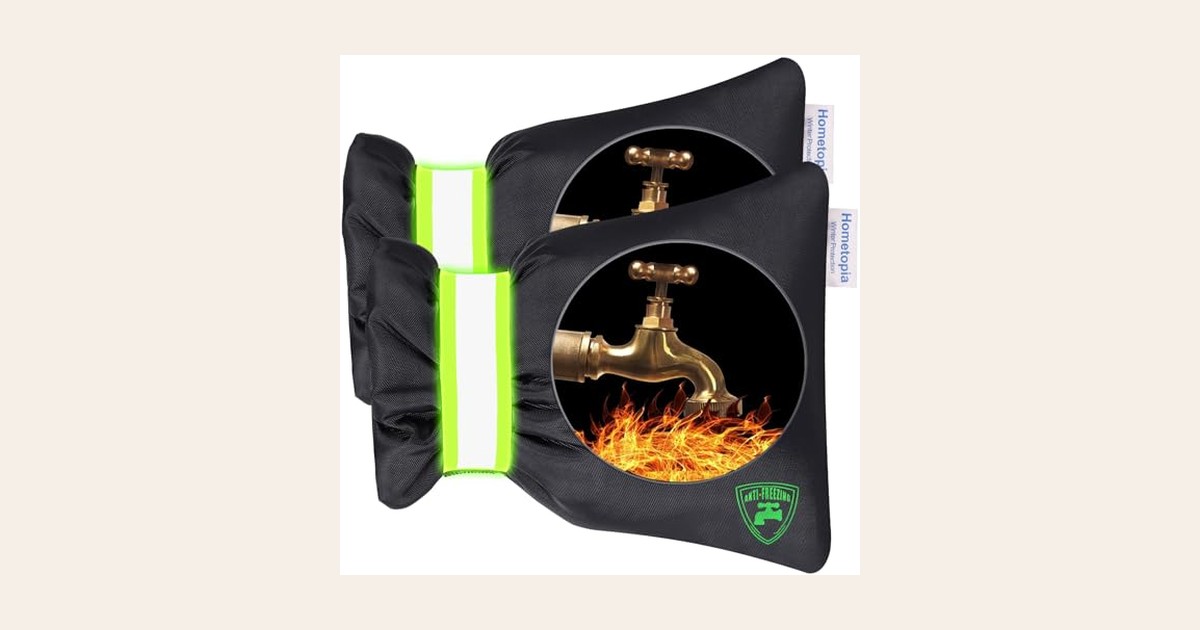
A burst pipe is one of the fastest ways to ruin a good winter, so cover outdoor spigots before the first freeze. Shut off the water supply, drain any hoses, and slip an insulated cover over each faucet. The best covers keep wind and moisture out, stopping pipes from freezing and cracking. If your faucets are exposed or you’ve had freeze issues before, this step is non-negotiable. It’s a five-minute fix that saves hours of repair and hundreds in plumbing bills.
 Check out this product →
Mulch and Clean Garden Beds
Mulching in fall locks in soil moisture and insulates plant roots from rapid temperature swings. Remove weeds and leftover annuals, then spread a fresh layer of mulch — two to three inches is enough. Keep mulch clear from tree trunks and plant stems to prevent rot. If you’re growing perennials or bulbs, mulch keeps them dormant and ready for spring. This is also the time to tidy up garden beds, stash unused pots and stakes, and clean out dead material so pests don’t overwinter.
Prep Hardscapes, Tools, and Furniture
Patios, decks, and walkways face winter stress from ice and snow. Sweep surfaces clean, check for cracks, and seal where needed to stop water from seeping in. Store garden tools dry and sharp so rust doesn’t set in and you’re ready to hit the ground running come spring. Cover or bring in outdoor furniture that can’t handle the freeze. If you have a fire pit or grill, clean it up now to avoid surprises later. Organizing your shed or garage is one last way to make next season easier — you’ll thank yourself when planting weather returns.
Final thoughts
Fall prep isn’t glamorous, but it’s what makes a backyard work all year. Clearing leaves, pruning, insulating faucets, mulching beds, and securing hardscapes pays off when winter hits and again when spring rolls around. Taking these steps now means fewer headaches and a healthier, easier yard when the thaw comes.